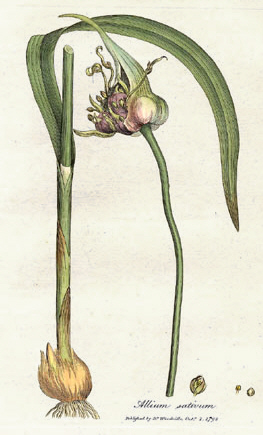
How to Grow Elephant Garlic
Allium ampeloprasum
Elephant garlic (Allium ampeloprasum) is a robust, cool-season allium prized for its large size and mild flavor. Gardeners grow it for its impressive yield and ease of cultivation compared to standard garlic varieties.
 📷 Wikimedia Commons
Starting Elephant Garlic: indoors or direct sow?
🏠 Start indoors 3 weeks before your last spring frost, then move the seedlings outside.
You can start seeds indoors three weeks before the last frost or plant hardy cloves directly into prepared soil during that same window.
Soil, care & harvest
Prepare loose soil with a pH between 6.0 and 7.0. As a cool-season crop, plant cloves or start seeds indoors two to six weeks before your last spring frost date. Sow at a depth roughly twice the clove height; germination typically takes fourteen to thirty days depending on temperature.
Space plants eight to ten inches apart in full sun. Water consistently with one inch per week during active growth, but stop when leaves yellow. Apply mulch to retain moisture and feed lightly if growth seems slow, ensuring roots stay cool until harvest.
Watch for aphids, thrips, onion maggots, white rot, fusarium basal rot, and rust. Prevent issues by rotating crops and avoiding overhead watering. Harvest after 240 to 270 days when leaves begin to yellow; cure bulbs in a dry, airy spot before storing.
When to Plant Elephant Garlic
Planting windows vary by USDA hardiness zone. Look up yours by ZIP code.
| Zone | Start Indoors | Direct Sow | Harvest |
|---|---|---|---|
| Zone 1 | — | June – July | December – September |
| Zone 2 | — | May – July | December – September |
| Zone 3 | — | May – June | December – October |
| Zone 4 | — | April – June | December – October |
| Zone 5 | — | April – May | December – November |
| Zone 6 | — | April – May | December – November |
| Zone 7 | — | March – May | December – November |
| Zone 8 | — | March – April | November – December |
| Zone 9 | — | February – March | October – December |
| Zone 10 | — | January – March | October – December |
| Zone 11 | — | January – February | September – December |
| Zone 12 | — | January – February | September – December |
| Zone 13 | — | January – February | September – December |
Companion Plants for Elephant Garlic
✓ Good companions
Deters cabbage worms, aphids, and other brassica pests while improving growth
Repels carrot flies and root maggots, while carrots help break up soil for garlic bulbs
Provides pest protection without competing for nutrients, maximizes garden space
Deters aphids, spider mites, and other common pepper pests
Repels aphids, spider mites, and may reduce fungal diseases like black spot
Benefits from pest protection while maturing before garlic needs full space
Repels slugs, aphids, and other pests that damage strawberry plants
Elephant garlic repels aphids, spider mites, and other pests that commonly attack tomatoes
✗ Keep away from
Can inhibit asparagus growth and interfere with root development
Garlic can inhibit nitrogen fixation and overall growth of legumes
Allelopathic compounds in garlic can stunt pea growth and reduce yields
Nutrition Facts
Per 100g serving (USDA FoodData Central)