How to Grow Georgia Fire Garlic
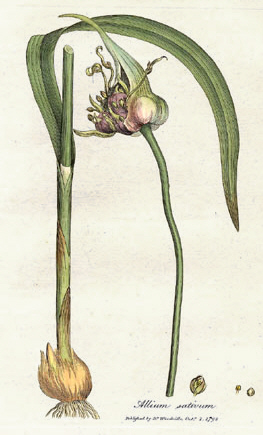
Allium sativum 'Georgia Fire'
Georgia Fire Garlic delivers a fiery, spicy flavor that elevates any dish from pasta to roasted vegetables. Gardeners prize this variety for its reliable yield and robust resistance to common bulb rot issues. Its compact height makes it an excellent choice for small gardens or container growing.
 📷 Wikimedia Commons
Starting Georgia Fire Garlic: indoors or direct sow?
🌾 Sow directly in the garden — Georgia Fire Garlic is not usually started indoors.
Garlic cloves are best planted directly into the garden bed rather than being started indoors and transplanted later.
Soil, care & harvest
Prepare loose, well-draining soil with a pH between 6.0 and 7.0 before planting. Since garlic is a cool-season crop, plant cloves outdoors 2 to 6 weeks before your last spring frost date. If starting indoors, begin seeds roughly 8 to 10 weeks prior to the expected frost. Push each clove about 1 to 2 inches deep into the soil.
Space bulbs 4 to 6 inches apart in rows that are 12 to 18 inches wide. Provide moderate water consistently, but reduce watering significantly three to four weeks before harvest to prevent splitting. Apply a light mulch after planting to retain moisture and suppress weeds, though heavy feeding is rarely necessary for this easy-to-grow allium.
Watch for onion thrips, bulb mites, and nematodes; rotate crops annually to reduce pest pressure. While resistant, monitor for white rot, fusarium basal rot, or rust by ensuring good air circulation. Harvest when the lower leaves turn brown after 240 to 270 days from planting. Cure bulbs in a dry, airy spot before storing.
When to Plant Georgia Fire Garlic
Planting windows vary by USDA hardiness zone. Look up yours by ZIP code.
| Zone | Start Indoors | Direct Sow | Harvest |
|---|---|---|---|
| Zone 1 | — | June – July | December – September |
| Zone 2 | — | May – July | December – September |
| Zone 3 | — | May – June | December – October |
| Zone 4 | — | April – June | December – October |
| Zone 5 | — | April – May | December – November |
| Zone 6 | — | April – May | December – November |
| Zone 7 | — | March – May | December – November |
| Zone 8 | — | March – April | November – December |
| Zone 9 | — | February – March | October – December |
| Zone 10 | — | January – March | October – December |
| Zone 11 | — | January – February | September – December |
| Zone 12 | — | January – February | September – December |
| Zone 13 | — | January – February | September – December |
Companion Plants for Georgia Fire Garlic
✓ Good companions
Garlic deters cabbage worms, aphids, and flea beetles while improving cabbage flavor
Garlic repels carrot flies and root maggots, while carrots help break up soil for garlic bulbs
Garlic protects lettuce from aphids and slugs without competing for nutrients
Garlic repels aphids and spider mites while potentially enhancing pepper flavor
Garlic reduces aphids, black spot, and Japanese beetles on roses
Garlic protects spinach from leaf miners and aphids with minimal root competition
Garlic deters slugs, aphids, and spider mites that damage strawberry plants
Garlic repels aphids, spider mites, and hornworms that commonly attack tomatoes
✗ Keep away from
Garlic can stunt asparagus growth and reduce spear production through allelopathic effects
Garlic inhibits nitrogen fixation by beneficial bacteria in bean root nodules
Garlic stunts pea growth and interferes with their nitrogen-fixing capabilities
Nutrition Facts
Per 100g serving (USDA FoodData Central)