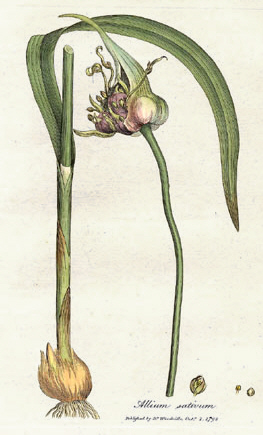
How to Grow German Extra Hardy Garlic
Allium sativum var. ophioscorodon 'German Extra Hardy'
German Extra Hardy Garlic is a resilient allium variety prized for its exceptional cold tolerance and reliable bulb production. Gardeners choose this heirloom cultivar to extend their growing season in cooler climates while enjoying robust flavor and disease resistance.
 📷 Wikipedia: Garlic
Starting German Extra Hardy Garlic: indoors or direct sow?
🌾 Sow directly in the garden — German Extra Hardy Garlic is not usually started indoors.
Plant garlic cloves directly into prepared soil outdoors rather than starting indoors as seedlings.
Soil, care & harvest
Prepare loose, well-draining soil with a pH between 6.0 and 7.0. As a cool-season crop, plant cloves directly outdoors two to six weeks before the last spring frost. Bury each clove point-up about one to two inches deep. Expect sprouts in fourteen to twenty-one days once temperatures warm up sufficiently for growth.
Space cloves four to six inches apart to ensure proper bulb development. This garlic requires no support or trellising as it grows upright. Provide moderate water consistently, but reduce irrigation three weeks before harvest to sweeten the bulbs. Apply a light mulch after planting to retain moisture and suppress weeds throughout the winter months.
Monitor for onion thrips and bulb mites, though issues are usually minimal. Prevent white rot and fusarium basal rot by ensuring excellent drainage in your garden bed. Harvest bulbs two hundred forty to two hundred seventy days after planting when the lower leaves turn brown. Dig carefully with a fork to avoid damaging the necks.
When to Plant German Extra Hardy Garlic
Planting windows vary by USDA hardiness zone. Look up yours by ZIP code.
| Zone | Start Indoors | Direct Sow | Harvest |
|---|---|---|---|
| Zone 1 | — | June – July | December – September |
| Zone 2 | — | May – July | December – September |
| Zone 3 | — | May – June | December – October |
| Zone 4 | — | April – June | December – October |
| Zone 5 | — | April – May | December – November |
| Zone 6 | — | April – May | December – November |
| Zone 7 | — | March – May | December – November |
| Zone 8 | — | March – April | November – December |
| Zone 9 | — | February – March | October – December |
| Zone 10 | — | January – March | October – December |
| Zone 11 | — | January – February | September – December |
| Zone 12 | — | January – February | September – December |
| Zone 13 | — | January – February | September – December |
Companion Plants for German Extra Hardy Garlic
✓ Good companions
Garlic deters cabbage worms, aphids, and other brassica pests
Garlic repels carrot flies while carrots help break up soil around garlic bulbs
Garlic protects lettuce from aphids and slugs without competing for nutrients
Garlic deters aphids, spider mites, and other soft-bodied insects that damage peppers
Garlic repels aphids, Japanese beetles, and may reduce black spot disease
Garlic provides pest protection while spinach's shallow roots don't compete with garlic bulbs
Garlic repels slugs, aphids, and spider mites that commonly damage strawberry plants
Garlic repels aphids, spider mites, and hornworms that commonly attack tomatoes
✗ Keep away from
Garlic can inhibit asparagus growth and may reduce spear production
Garlic can inhibit bean growth and nitrogen fixation by rhizobia bacteria
Alliums can stunt pea growth and interfere with their nitrogen-fixing capabilities
Nutrition Facts
Per 100g serving (USDA FoodData Central)