How to Grow Giant Musselburgh
Allium ampeloprasum var. porrum 'Giant Musselburgh'
Giant Musselburgh is a towering heirloom leek variety prized for its massive size and robust flavor. Gardeners grow it to harvest thick, white stalks that stand tall in the garden, offering a substantial yield of this versatile allium.
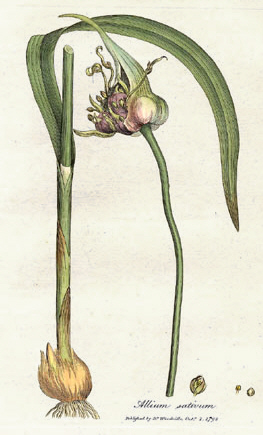
 📷 Wikipedia: Allium ampeloprasum
Starting Giant Musselburgh: indoors or direct sow?
🌾 Sow directly in the garden — Giant Musselburgh is not usually started indoors.
Direct sow seeds in their final location rather than starting indoors, as leeks do not transplant well from pots.
Soil, care & harvest
Prepare your soil by ensuring it drains well and has a pH between 6.0 and 7.0 for optimal growth. As a cool-season crop, sow seeds or plant seedlings 2 to 6 weeks before the last spring frost. Press seeds lightly into the soil surface without covering them deeply, as they require light to germinate. Expect sprouting within 10 to 21 days under cool conditions.
Space plants 6 to 8 inches apart in rows at least 1 foot wide to allow for their impressive height of 3 to 4 feet. Provide consistent moisture, aiming for 1 to 2 inches of water weekly to prevent bolting. Apply a layer of straw mulch around the base to retain soil moisture and suppress weeds. Feed lightly with balanced fertilizer if growth seems sluggish.
Watch for leek moth larvae, onion thrips, and leaf miners; use row covers early in the season to deter these pests. Prevent white rot, rust, and downy mildew by ensuring good air circulation and avoiding overhead watering when possible. Harvest your giant stalks 120 to 150 days after sowing when they reach full size and the skin is firm.
When to Plant Giant Musselburgh
Planting windows vary by USDA hardiness zone. Look up yours by ZIP code.
| Zone | Start Indoors | Direct Sow | Harvest |
|---|---|---|---|
| Zone 1 | — | June – July | October – September |
| Zone 2 | — | May – July | October – September |
| Zone 3 | — | May – June | September – October |
| Zone 4 | — | April – June | September – October |
| Zone 5 | — | April – May | August – November |
| Zone 6 | — | April – May | August – November |
| Zone 7 | — | March – May | August – November |
| Zone 8 | — | March – April | July – December |
| Zone 9 | — | February – March | June – December |
| Zone 10 | — | January – March | June – December |
| Zone 11 | — | January – February | May – December |
| Zone 12 | — | January – February | May – December |
| Zone 13 | — | January – February | May – December |
Companion Plants for Giant Musselburgh
✓ Good companions
Leeks repel cabbage worms and flea beetles that commonly attack brassicas
Leeks repel carrot fly while carrots help break up soil for leek roots
Both have similar growing requirements and leeks help repel celery leaf spot
Leeks provide natural pest control while lettuce uses different soil nutrients
Both herbs complement each other and don't compete for growing space
Compatible root depths and leeks help repel leaf miners
Leeks deter slugs and aphids that damage strawberry plants
Leeks deter aphids and improve tomato flavor while tomatoes don't compete for nutrients
✗ Keep away from
Both are heavy feeders that compete for nutrients and have conflicting soil preferences
Legumes can inhibit allium growth and onion family plants may stunt bean development
Alliums can reduce nitrogen fixation in peas and compete for similar nutrients
Nutrition Facts
Per 100g serving (USDA FoodData Central)