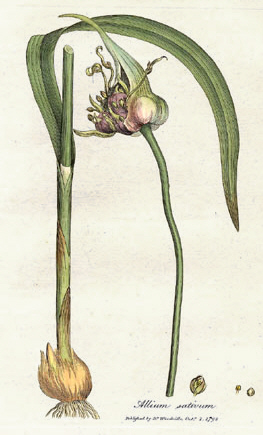
How to Grow Siberian Garlic
Allium sativum var. ophioscorodon 'Siberian'
Siberian Garlic offers a robust alternative to standard garlic varieties, thriving in cooler climates where other alliums might struggle. Gardeners prize its excellent cold hardiness and reliable disease resistance for producing flavorful bulbs in Zone 4 through 9.
 📷 Wikimedia Commons
Starting Siberian Garlic: indoors or direct sow?
🌾 Sow directly in the garden — Siberian Garlic is not usually started indoors.
Siberian Garlic is typically direct-sown outdoors rather than started indoors and transplanted.
Soil, care & harvest
Prepare loose soil with a pH between 6.0 and 7.0 before sowing seeds directly outdoors. As a cool-season crop, plant the seed 2 to 6 weeks before your last spring frost date since it tolerates light frosts well. Press seeds gently into the soil at a depth of about half an inch. Expect germination within 14 to 21 days under these conditions.
Space plants 4 to 6 inches apart to ensure proper airflow and bulb development without overcrowding. While this garlic does not require trellising, apply a light mulch after establishment to retain moisture and suppress weeds. Water consistently with about one inch per week, but cease watering two to three weeks prior to harvest to cure the bulbs effectively.
Watch for bulb mites, nematodes, aphids, white rot, fusarium basal rot, and rust; maintain good airflow and avoid overhead watering to prevent fungal issues. Harvest your bulbs approximately 240 to 270 days after sowing when the outer leaves begin to yellow and fall over. Gently lift them from the soil and allow them to dry in a well-ventilated area before storage.
When to Plant Siberian Garlic
Planting windows vary by USDA hardiness zone. Look up yours by ZIP code.
| Zone | Start Indoors | Direct Sow | Harvest |
|---|---|---|---|
| Zone 1 | — | June – July | December – September |
| Zone 2 | — | May – July | December – September |
| Zone 3 | — | May – June | December – October |
| Zone 4 | — | April – June | December – October |
| Zone 5 | — | April – May | December – November |
| Zone 6 | — | April – May | December – November |
| Zone 7 | — | March – May | December – November |
| Zone 8 | — | March – April | November – December |
| Zone 9 | — | February – March | October – December |
| Zone 10 | — | January – March | October – December |
| Zone 11 | — | January – February | September – December |
| Zone 12 | — | January – February | September – December |
| Zone 13 | — | January – February | September – December |
Companion Plants for Siberian Garlic
✓ Good companions
Garlic deters cabbage worms, aphids, and flea beetles that commonly attack brassicas
Garlic repels carrot flies while carrots help break up soil for garlic bulb development
Garlic provides natural pest protection while lettuce acts as living mulch without competing for nut…
Garlic repels aphids and spider mites while potentially enhancing pepper flavor and growth
Garlic deters aphids, Japanese beetles, and may help prevent black spot and other fungal diseases
Garlic protects against leaf miners and aphids while spinach provides ground cover
Garlic repels slugs, aphids, and nematodes that commonly damage strawberry plants
Garlic repels aphids, spider mites, and other tomato pests while improving flavor
✗ Keep away from
Garlic can inhibit asparagus spear development and reduce overall yield
Garlic can inhibit nitrogen fixation by bean root nodules and stunt overall growth
Allelopathic compounds in garlic can reduce pea germination and growth rates
Nutrition Facts
Per 100g serving (USDA FoodData Central)