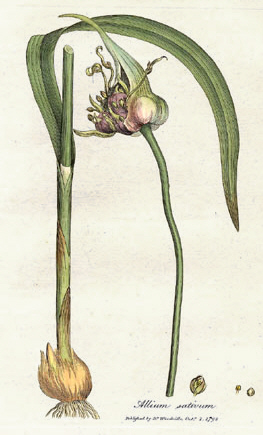
How to Grow Vidalia Onion
Allium cepa 'Vidalia'
Vidalia onions are a prized variety of Allium cepa celebrated for their mild, sweet flavor and culinary versatility. Gardeners grow them to enjoy tender bulbs that require less harsh handling than standard onions while thriving in specific low-sulfur soils.
 📷 Wikimedia Commons
Starting Vidalia Onion: indoors or direct sow?
🌾 Sow directly in the garden — Vidalia Onion is not usually started indoors.
While seeds can be started indoors, these onions are best direct-sown outdoors two to six weeks before the last frost date.
Soil, care & harvest
Prepare loose, well-draining soil with a pH between 6.0 and 6.8, as this range is critical for Vidalia success. Sow seeds or plant transplants 2 to 6 weeks before your last spring frost date. Push seeds into the ground about 1/4 inch deep; they typically sprout within seven to ten days.
Space plants four to six inches apart in full sun, ensuring consistent moisture of one inch per week throughout bulb formation. Apply a light mulch to retain water and suppress weeds, but avoid heavy feeding as excessive nitrogen promotes leafy growth rather than bulbs. Monitor soil moisture closely during dry spells.
Watch for onion thrips, maggots, wireworms, downy mildew, purple blotch, neck rot, and pink root. Prevent issues by rotating crops, avoiding overhead watering, and ensuring good air circulation. Harvest the bulbs roughly 110 to 120 days after planting when tops begin to yellow and fall over naturally.
When to Plant Vidalia Onion
Planting windows vary by USDA hardiness zone. Look up yours by ZIP code.
| Zone | Start Indoors | Direct Sow | Harvest |
|---|---|---|---|
| Zone 1 | — | June – July | September |
| Zone 2 | — | May – July | September |
| Zone 3 | — | May – June | August – October |
| Zone 4 | — | April – June | August – October |
| Zone 5 | — | April – May | August – November |
| Zone 6 | — | April – May | July – November |
| Zone 7 | — | March – May | July – November |
| Zone 8 | — | March – April | June – December |
| Zone 9 | — | February – March | May – December |
| Zone 10 | — | January – March | May – December |
| Zone 11 | — | January – February | April – December |
| Zone 12 | — | January – February | April – December |
| Zone 13 | — | January – February | April – December |
Companion Plants for Vidalia Onion
✓ Good companions
Onions help protect against cabbage moths and root maggots that target brassicas
Onions repel cabbage worms, cabbage loopers, and flea beetles from brassicas
Onions deter carrot rust flies, while carrots help break up soil for onion bulb development
Onions provide natural pest protection without competing for nutrients or space
Both plants repel nematodes and work synergistically for comprehensive pest control
Onions deter aphids and other soft-bodied insects that commonly attack pepper plants
Onions repel slugs, aphids, and other pests while not interfering with berry production
Onions repel aphids, spider mites, and tomato hornworms while improving tomato flavor
✗ Keep away from
Onions can slow asparagus establishment and may reduce spear production
Onions can inhibit bean growth and nitrogen fixation by releasing allelopathic compounds
Onions stunt pea growth and interfere with their ability to fix nitrogen in soil
Nutrition Facts
Per 100g serving (USDA FoodData Central)