11 drawing tablet specs explained: what every artist needs to know
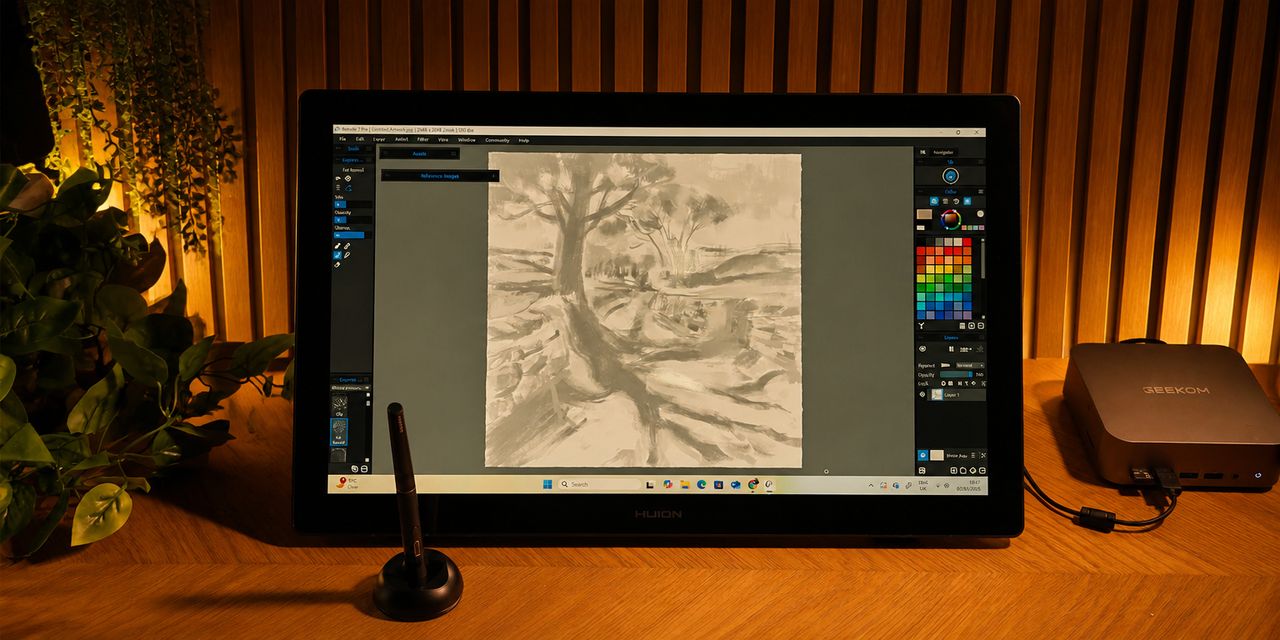
(Image credit: Future) Copy link Facebook X Whatsapp Pinterest Flipboard Email Share this article 0 Join the conversation Follow us Add us as a preferred source on Google Newsletter Subscribe to our newsletter Shopping for the best drawing tablet can feel like trying to decode another language.…
(Image credit: Future) Copy link Facebook X Whatsapp Pinterest Flipboard Email Share this article 0 Join the conversation Follow us Add us as a preferred source on Google Newsletter Subscribe to our newsletter Shopping for the best drawing tablet can feel like trying to decode another language. I've been reviewing tablets for over 10 years and still need to pay close attention to every spec sheet packed with trademarked pen technology, huge numbers and colourful percentages, all promising a better drawing experience, in order to weedle out what matters and what's just marketing guff.The problem is that much of it doesn't actually tell you whether the tablet is any good, but once you know what to look for – which features or specs matter – it can help you decide which tablet is right for you.After reviewing plenty of drawing tablets over the years, I've found the specs that make a genuine difference are rarely the ones brands shout about the loudest. Yes, there are a few numbers worth paying attention to, but there are just as many that have become little more than marketing. And that's whether you're choosing a tablet with a stylus or even an iPad for drawing (Apple is not averse to some cute marketing lingo).Here's what all those drawing tablet terms actually mean, and which ones deserve your attention before you buy. (Image credit: Future)01. Pen tablet vs pen display vs standalone tabletBefore worrying about pressure sensitivity, LPI, colour accuracy, or any of the other things I cover here, make sure you're buying the right type of device.A pen tablet has no screen and connects to your computer. You draw on the surface while looking at your monitor.A pen display has a screen you can draw directly on, but it still needs to connect to a computer.A standalone tablet has its own operating system and runs creative apps independently, like an iPad or a Wacom MovinkPad.These aren't really competing products. They're different tools for different workflows. A standalone tablet is brilliant for portability and working anywhere, but it isn't always a replacement for a desktop pen display if you need a larger canvas, a more powerful workstation setup or a colour-critical professional workflow. A pen tablet is often smaller than a pen display, and these traditional tablets are good for getting into digital art but are also handy alternatives to using a mouse.What actually matters: Choosing the tablet type that matches how and where you want to create.Source: Creative Bloq AI Art — Published — Category: Image AI