Raleigh's collapse proves that even iconic brands can't rely on nostalgia alone
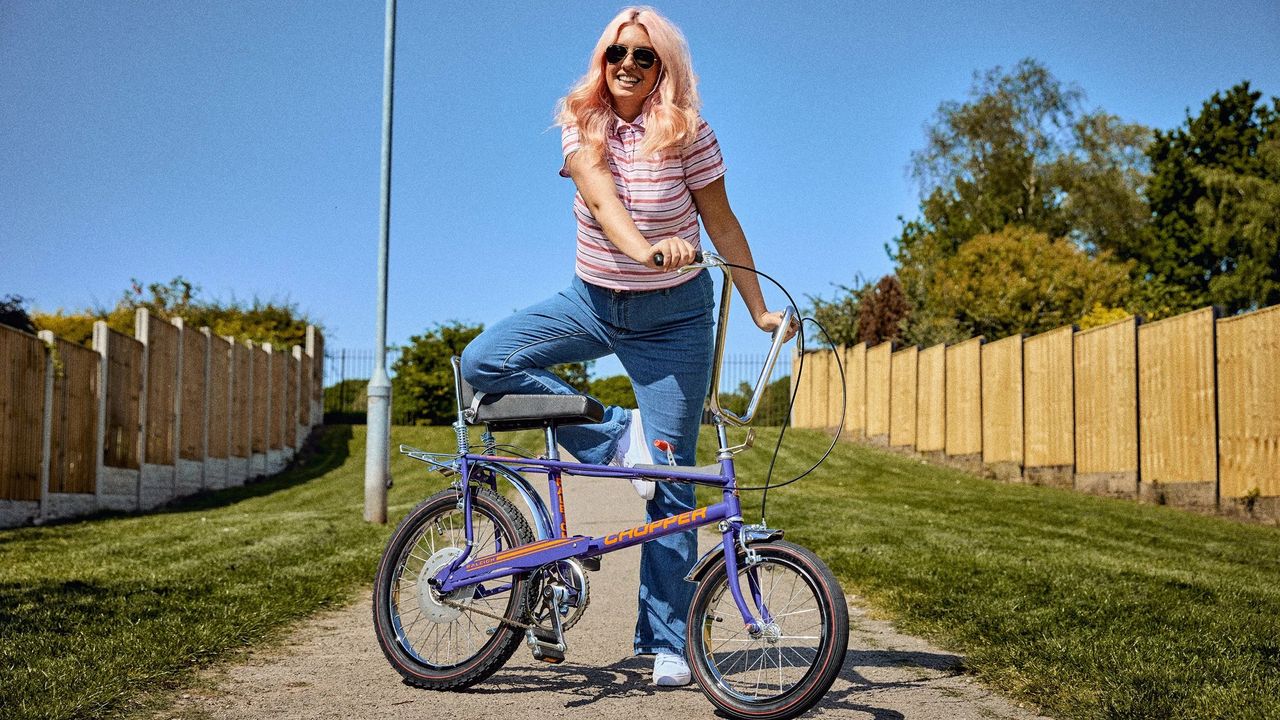
Bringing back the Raleigh Chopper in 2023 was lovely to see, but it was too little, too late for the brand (Image credit: Raleigh/Fusion Media) Copy link Facebook X Whatsapp Pinterest Flipboard Email Share this article 0 Join the conversation Follow us Add us as a preferred source on Google…
Bringing back the Raleigh Chopper in 2023 was lovely to see, but it was too little, too late for the brand (Image credit: Raleigh/Fusion Media) Copy link Facebook X Whatsapp Pinterest Flipboard Email Share this article 0 Join the conversation Follow us Add us as a preferred source on Google Newsletter Subscribe to our newsletter I got my first Raleigh Chopper in 1976, the Christmas I turned six. If I close my eyes, I can remember the smell of the tyres and the way that long banana seat felt impossibly grown-up to sit on.For a child growing up in that era, a Chopper wasn't just a bike; it was a status symbol, proof that you were no longer just "a little kid". In the playground, we were obsessed with whose was faster, whose had the better gears, whose parents had splashed out for a new one rather than going second- or third-hand.So when news broke recently that Raleigh's parent company, Accell, had filed for insolvency, it hit me hard in the feels, as today's kids say. And it appears that I wasn't alone.Latest Videos FromCreative BloqWatch full video here: Nostalgia tinged with resignationTributes came thick and fast online to the Chopper, the Grifter, the Burner. For a brand with this much heritage, that was so tied up in my own childhood, it felt like the end of an era.But once the nostalgia subsided, my second reaction was one of resignation. Because Raleigh's collapse isn't really a story about bicycles, corporate debt or even the post-pandemic cycling slump. It's a story about what happens when a brand mistakes its past for a strategy. (Image credit: Raleigh/Fusion Media)For decades, Raleigh coasted on recognition rather than relevance. The badge stayed the same while the world around it changed. Cities built cycle lanes, e-bikes opened up cycling to new constituencies, and younger buyers started choosing brands that spoke to how they actually live now. And yet Raleigh's branding stayed rooted in a version of Britishness that felt old-fashioned to me, let alone to youngsters born in an entirely different century.There's a comforting myth in branding circles that a strong heritage is inherently protective, that decades of goodwill act as a buffer against market shifts. It's clear now that this was hogwash. As it turns out, heritage without reinvention isn't an asset; it's a liability.Get the Creative Bloq NewsletterSign up to Creative Bloq's daily newsletter, which brings you the latest news and inspiration from the worlds of art, design and technology.Unlike Raleigh, other brands used heritage as a springboard rather than a security blanket. Barbour, for instance, has leaned into its history while continually updating fit, colourways and collaborations to attract younger buyers. Similarly, Adidas' Originals line works precisely because it sees its archive as raw material for new ideas, not just a template for endless repetition. Lego, too, has repeatedly modernised its design language, retail experience and storytelling, without ever losing the plastic brick at its core.What unites all these brands is a willingness to question their own icons and their own history. To them, heritage is a story they're still writing, not something set in stone.Key takeawaysFor designers everywhere, Raleigh's fall is a useful reminder to interrogate our own client relationships. Honestly ask yourself: are you helping brands evolve, or just polishing the same assets on a loop? The latter is probably the easy way to go, of course. But in decades to come, when they go the same way as Raleigh, how will you feel then?That's not to say, of course, you can't get into trouble going too far the other way. Jaguar is currently struggling to convert either loyalists or new buyers, having ditched its past but offering only confusion about its future. Its controversial rebrand, which dropped its iconic leaping cat and leaned into a bold, abstract new identity, split opinion so sharply that it's still not clear whether the gamble has won over the electric-car buyers it was aimed at. (Image credit: Raleigh/Fusion Media)My main point is that designers talk a lot about reinvention, but reinvention doesn't just mean creating a cool new logo or hiring a bunch of models with cutting-edge hair. It means truly considering whether a brand's visual identity, product design and customer experience reflect how people live today, not when the brand was founded. And it means having difficult conversations with clients who think any change to their look is a betrayal of their history.I loved that Chopper more than anything else as a kid (sorry, Mum). But Raleigh didn't fail because people like me stopped loving it. It failed because that love was no longer enough to build an entire business on. Rest in peace, Raleigh.For more branding insight, check out how Lego and Barbie could have saved Claire's or take a look at what the internet's recent nostalgia trip can teach creatives. TOPICS Tom MayFreelance journalist and editorTom May is an award-winning journalist specialising in art, design, photography and technology. He is the author of the books The 50 Greatest Designers (Arcturus) and Great TED Talks: Creativity (Pavilion). Tom was previously editor of Professional Photography magazine, associate editor at Creative Bloq, and deputy editor at net magazine. View More You must confirm your public display name before commenting Please logout and then login again, you will then be prompted to enter your display name. Logout LATEST ARTICLES 1 Apple's iPhone 18 line up is looking like a radical departure in more ways than one 2 I just found a daily doodle website that's the most joyful middle finger to AI art 3 This 3D artist depicts characters like Super Mario and Sonic as you've never seen them before using Unreal Engine and 3ds Max 4 The viral cursed milk cat has been turned into a hilarious animation using Blender 5 Jaguar doubles down on its controversial rebrand with a (literally) divisive interior designSource: Creative Bloq AI Art — Published — Category: Image AI