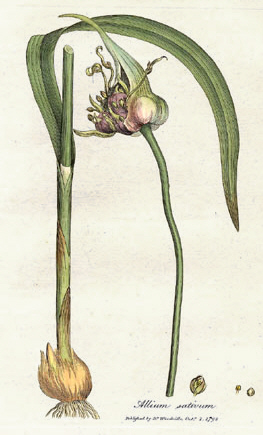
How to Grow Evergreen White Bunching Onion
Allium fistulosum 'Evergreen White'
Evergreen White Bunching Onion is a hardy, cool-season allium prized for its mild flavor and continuous harvest potential. Gardeners grow this easy-to-cultivate variety in zones 4 through 9 to enjoy fresh scallions well into the fall season.
 📷 Wikimedia Commons
Starting Evergreen White Bunching Onion: indoors or direct sow?
🌾 Sow directly in the garden — Evergreen White Bunching Onion is not usually started indoors.
This variety is best direct-sown into the garden or transplanted as small seedlings within the 2-6 week window before the last frost date.
Soil, care & harvest
Prepare loose soil with a pH between 6.0 and 7.5, ensuring consistent moisture for germination which takes 7 to 14 days. Sow seeds directly outdoors 2 to 6 weeks before your last spring frost date, or start indoors during this same window if transplanting. Plant the seeds about one inch deep in a sunny spot that receives at least four hours of light daily.
Space seedlings initially two to three inches apart, then thin them to four to six inches once established for optimal growth. Water consistently to provide roughly one inch per week, avoiding wet foliage to reduce disease risk. Apply a light mulch around the base to retain moisture and suppress weeds without smothering the young plants.
Monitor for thrips, aphids, or onion maggots by checking leaves regularly; encourage beneficial insects to manage these pests naturally. While downy mildew and purple blotch can occur rarely, good air circulation usually prevents serious issues. Harvest bunches of green onions approximately 60 to 70 days after sowing when the stalks reach your desired size.
When to Plant Evergreen White Bunching Onion
Planting windows vary by USDA hardiness zone. Look up yours by ZIP code.
| Zone | Start Indoors | Direct Sow | Harvest |
|---|---|---|---|
| Zone 1 | — | June – July | August – September |
| Zone 2 | — | May – July | July – September |
| Zone 3 | — | May – June | July – October |
| Zone 4 | — | April – June | June – October |
| Zone 5 | — | April – May | June – November |
| Zone 6 | — | April – May | June – November |
| Zone 7 | — | March – May | May – November |
| Zone 8 | — | March – April | May – December |
| Zone 9 | — | February – March | April – December |
| Zone 10 | — | January – March | March – December |
| Zone 11 | — | January – February | February – December |
| Zone 12 | — | January – February | February – December |
| Zone 13 | — | January – February | February – December |
Companion Plants for Evergreen White Bunching Onion
✓ Good companions
Onions repel cabbage worms, flea beetles, and other brassica pests
Onions repel carrot flies while carrots help break up soil for onion root development
Onions provide pest protection without competing for space due to different growth habits
Both plants benefit from similar growing conditions and parsley attracts beneficial insects
Onions repel aphids and spider mites while not competing for root space
Onions provide pest protection and their vertical growth doesn't shade low-growing spinach
Onions deter slugs, aphids, and other soft-bodied pests that damage strawberry plants
Onions deter aphids, whiteflies, and hornworms that commonly attack tomatoes
✗ Keep away from
Onions can inhibit asparagus spear development and overall plant vigor
Onions can inhibit bean growth and nitrogen fixation by interfering with beneficial root bacteria
Onions stunt pea growth and can reduce their ability to fix nitrogen effectively
Nutrition Facts
Per 100g serving (USDA FoodData Central)